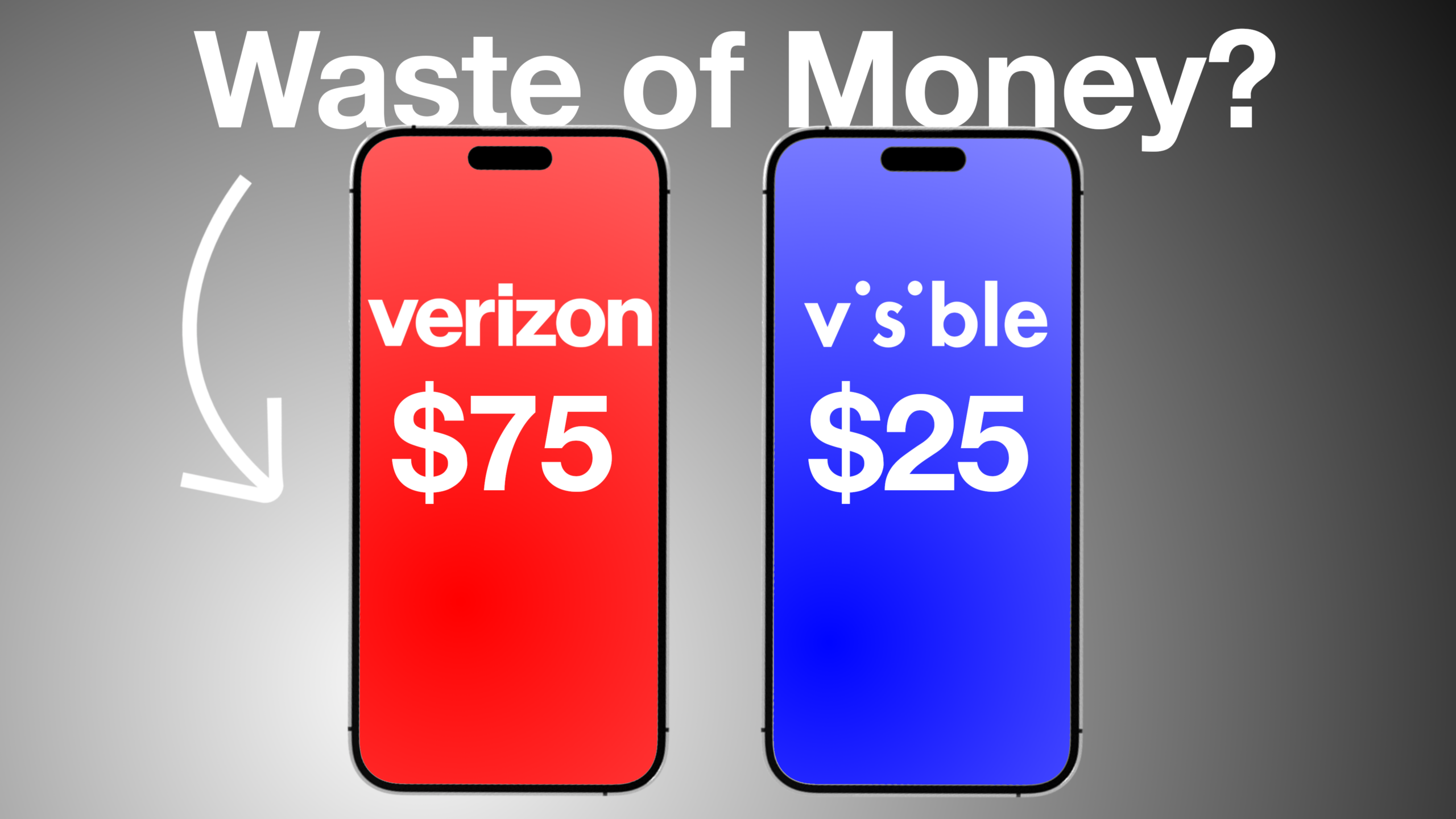
How can one company charge $25 per month for phone service… while another charges $80 or $90 — on the same exact network?
It sounds like a pricing mistake. Or a trick.
But it’s neither.
The truth behind cheap phone plans is simpler — and more strategic — than most people realize. Wireless carriers use market segmentation, branding, and bundled perks to capture every type of customer. Some people want the full in-store experience. Others just want their phone to work for the lowest possible price.
Once you understand how prepaid carriers, MVNOs, and premium unlimited plans are structured, it becomes obvious why millions of people are overpaying for phone service.
Let’s break it down.
Why Cheap Phone Plans Exist (It’s Called Market Segmentation)
Cheap phone plans aren’t random discounts. They are intentional.
Carriers design multiple pricing tiers to serve different types of customers.
Here’s what’s happening behind the scenes:
- Wireless companies know not everyone wants the same experience.
- Some customers value in-store service, perks, and premium branding.
- Others only care about basic talk, text, and data.
- Instead of losing budget-conscious customers, carriers create secondary brands.
- These lower-cost brands strip away extras to reduce operating costs.
This strategy is called market segmentation — and it allows one company to collect both $90/month customers and $25/month customers without losing either group.
Same Network, Different Experience: What You’re Actually Paying For

A common misconception is that expensive phone plans mean better coverage. In many cases, that’s not true. Many cheap phone plans run on the exact same towers as premium carriers. What changes is the experience.
With a Cheap Plan, You Typically Get:
- Online-only customer support
- No physical retail stores
- Fewer bundled perks
- Streamlined app-based account management
- Possible data deprioritization during congestion
- Lower overhead costs passed to you as savings
With a Premium Plan, You’re Paying For:
- In-store assistance and device setup
- Face-to-face customer service
- Premium data priority
- Streaming perks (Disney+, Apple Music, etc.)
- Financing options and phone promotions
- Stronger brand positioning
The service works. The towers are the same. The difference is in convenience, support, and bundled extras.
How Carriers Still Make Money on $25 Plans

You might wonder — how is a $25 plan profitable?
Here’s why it works:
- The network infrastructure is already built.
- Extra capacity on cell towers would otherwise go unused.
- Digital-only brands eliminate store and staffing costs.
- Customer service is streamlined through chat and apps.
- Marketing costs are lower.
In other words, carriers aren’t losing money. They’re monetizing unused capacity while lowering operating expenses. Cheap phone plans are not hacks. They’re optimized business models.
Are Expensive Phone Plans a Scam?
Not necessarily. They’re just built for a different type of customer.
Premium plans make sense if you:
- Regularly visit physical stores
- Want help setting up devices
- Need high-priority data in congested areas
- Value bundled streaming subscriptions
- Prefer brand familiarity and perceived reliability
Cheap plans make sense if you:
- Buy your phone outright
- Rarely contact customer service
- Don’t care about streaming perks
- Manage everything through an app
- Want the lowest possible monthly bill
It’s not about better or worse — it’s about alignment.
This Pricing Strategy Exists in Other Industries Too
Wireless carriers aren’t unique. The same structure appears in:
- Budget airlines vs. premium airlines
- Basic economy vs. first class tickets
- Store-brand groceries vs. name brands
- Subscription software tiers
- Hotel economy vs. luxury experiences
They all get you to the same destination.
The question is: how much comfort and convenience are you willing to pay for?
How to Know If You’re Overpaying for Your Phone Plan

Ask yourself:
- Do I ever use in-store support?
- Am I using the streaming perks included in my plan?
- Do I actually notice faster speeds?
- Have I ever compared MVNO or prepaid alternatives?
- Could I cut my bill in half and still get what I need?
Many people are paying for features they never use.
If you only need reliable talk, text, and data — there’s a strong chance you could switch to a cheaper plan and never notice a difference.
Conclusion: Cheap Phone Plans Aren’t a Trick — They’re a Strategy
Cheap phone plans exist because companies want to serve every segment of the market.
Premium plans bundle convenience, branding, and perks. Budget plans strip everything down to the essentials.
- The towers are often the same.
- The coverage is often the same.
- The difference is what’s layered on top.
Before renewing your contract or upgrading your unlimited plan in 2026, take a minute to evaluate what you’re truly paying for. You might discover you can cut your bill in half without sacrificing what actually matters.
If saving money is your goal, start comparing options — and choose the experience that fits your lifestyle.